

The world of witchcraft is steeped in ancient lore and mystical practices. It has long drawn practitioners to the potent properties of certain natural substances presumably used by witches as they stir their potted potions. Among these mysterious substances are nightshade and sulfur, standing out as particularly powerful elements. Their toxicity, combined with their symbolic meanings, has made them essential components of many spells, potions, and rituals. One could argue that the ability of crystals to ward off or banish evil spirits may not compete with the potions of some of the more powerful witches.
As we get into both sulfur and nightshade as individual elements, we must be upfront around the suspected nature of these two when put together. The profound effects believed to occur are enough to raise the hairs on your body, questioning not only if witches exist, but also the exact origins of this powerful concoction.
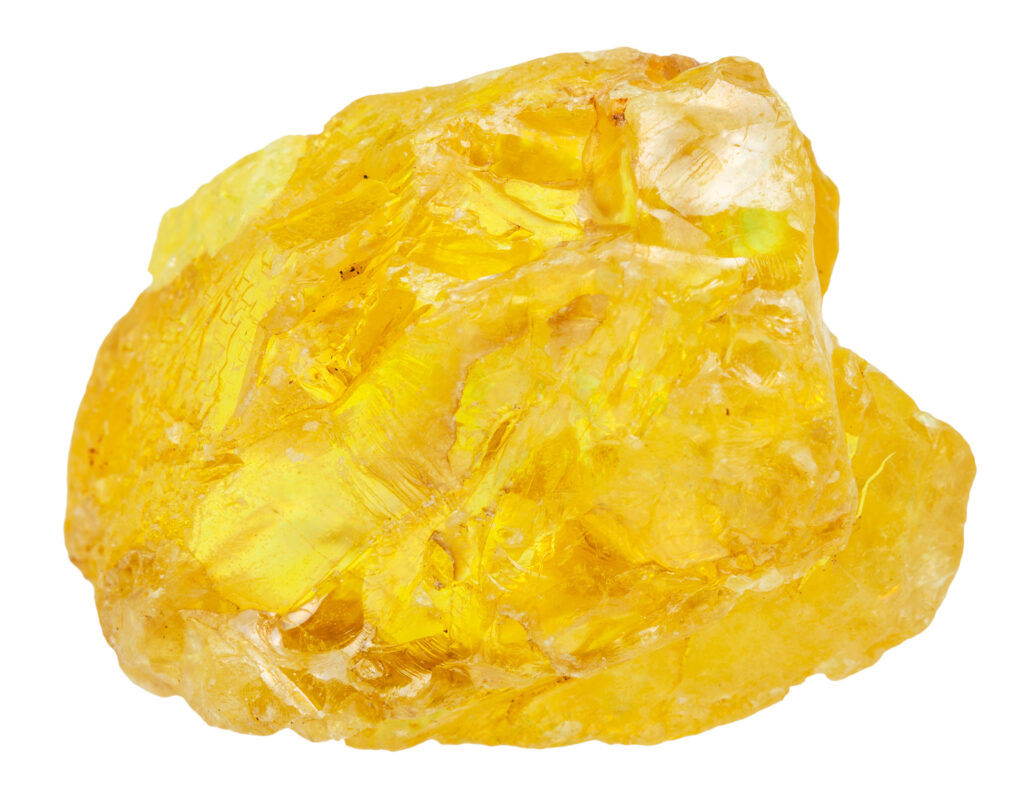
Sulfur is a yellow, crystalline mineral with potent properties and a distinctive aroma, infamously smelling like rotten eggs. But that hasn’t stopped this substance from being a staple in both medicinal and magical practices. A highly flammable substance with a blue flame, sulfur has taken on symbolic meanings of transformation and purification.
Its uses have spanned many cultures over many centuries. Ancient Egyptians saw sulfur as sacred and used it in rituals and embalming practices. Alchemists believed that sulfur could be used to create the legendary philosopher’s stone, capable of granting immortality and infinite knowledge. And during the Middle Ages, sulfur was used in various medical treatments and certain practices, like protection and exorcism.
In witchcraft, sulfur is a versatile and powerful substance used for purification, protection, and exorcism. Its potent properties and symbolic meanings make it a valuable tool for those who seek to harness the energies of the natural world.
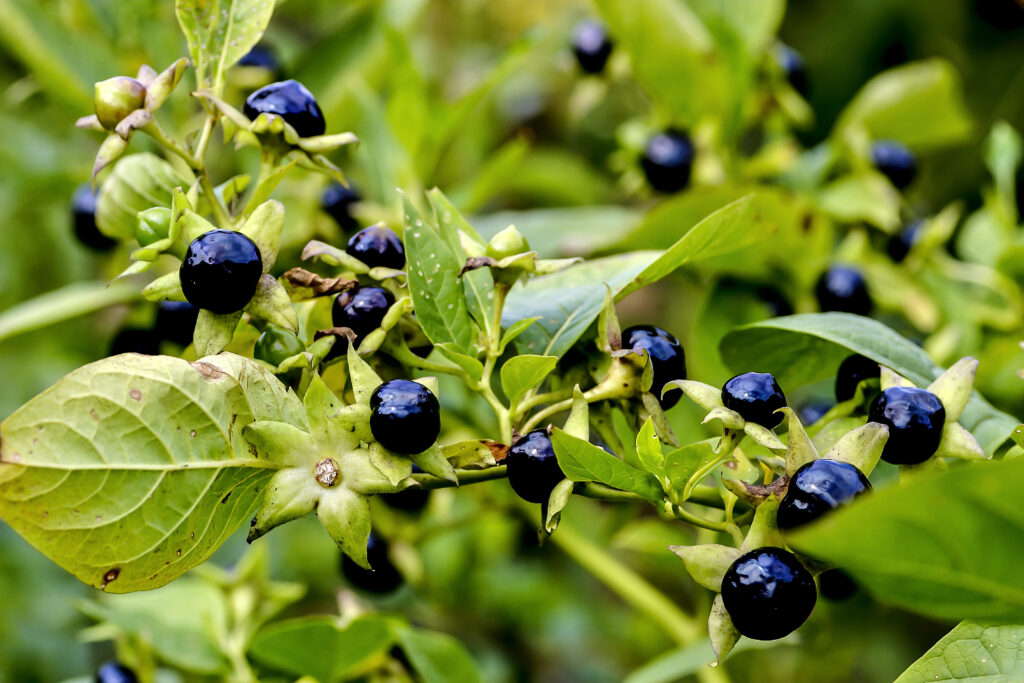
Before we continue, we should clear something up. This particular plant is called Deadly Nightshade, or belladonna. And yes, if its name didn’t give it away, it is highly poisonous. Its dark, velvety berries and haunting beauty have made it a symbol of death and rebirth, both feared and revered in various cultures. And despite its toxic nature, nightshade was also valued for its medicinal properties, particularly in treating pain and inflammation.
Because of nightshade’s toxic properties and association with death and rebirth, it has become a purportedly popular ingredient in witchcraft. And those images of witches flying on broomsticks? Well, nightshade was reportedly the catalyst for flying. If one is to believe in nightshade’s powers, then this could explain how a witch takes flight.
As for different curses, it is believed to have the power to cause harm or misfortune to others. Since we aren’t in this line of business, we are merely telling you this for educational purposes. Using nightshade in witchcraft should be approached with caution and respect for its potential symbols of darkness, transformation, and death leading to rebirth.
When combined, sulfur and nightshade can create a potent mixture with certain effects, spells, and curses.
The combination of sulfur’s purifying properties and nightshade’s toxicity may amplify the effects of spells and potions. But since both sulfur and nightshade are toxic and can have serious health consequences if mishandled, one must be incredibly careful when handling these substances.
As for spells and curses, maybe there’s a witches how-to book to learn all of them. We aren’t really ones to be sharing recipes with the potential of so much power. Given the effects of both sulfur and nightshade as individual substances, we can only imagine the various love spells, protection spells, and harmful curses that could be concocted from such potent elements.
We want to repeat that this combination should be treated with the respect and caution it deserves. We don’t recommend anyone mixing these substances. Let’s leave that to the real witches.